Goodline Font: A Modern Typeface for Small Business Branding
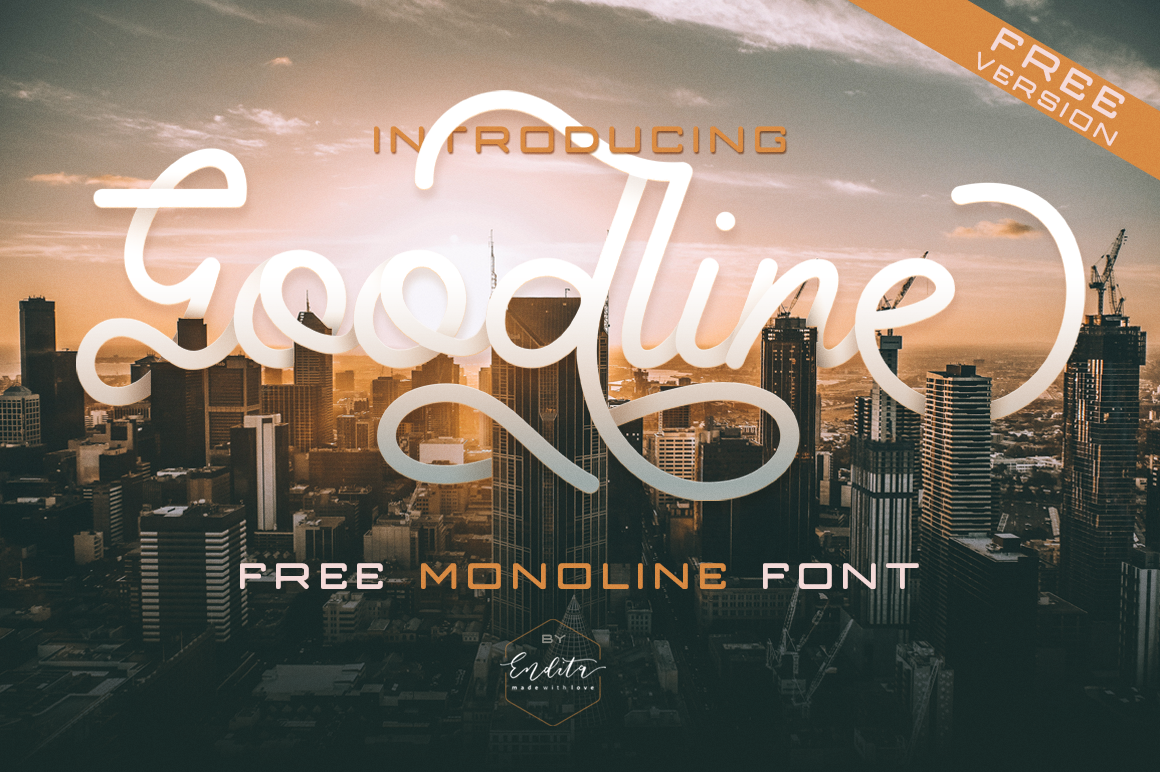
I was sitting at my kitchen table last Tuesday, staring at a stack of new kraft paper boxes for a local candle maker I advise. She wanted her brand to feel more "established" but still approachable, and her current labels just weren't cutting it. They looked cluttered and cheap, which is dangerous when you are asking customers to pay a premium for handmade goods. That is when I pulled up Goodline Font, a beautiful monoline font with movement and grace that I recently added to my collection of essential Freebies. Within minutes of typing out her shop name, the entire vibe of the packaging shifted from "hobbyist" to "boutique." It is moments like these that remind me why choosing the right Fonts is one of the most critical decisions a small business owner can make.
Creating Clean Headlines with Goodline Font for Product Labels
When you are designing product labels, especially for items like skincare jars, candle tins, or gourmet food containers, space is often your biggest enemy. You need a typeface that commands attention without overwhelming the limited real estate on a sticker or direct print. Goodline Font excels here because, although simple, it is stunning as a display piece. The monoline structure means every stroke has the same weight, creating a sense of balance and stability that subconsciously tells the customer, "This product is high quality." I tested this on the candle labels by using the font for the scent names and the brand logo. The result was a clean and modern look and feel that allowed the minimalist design to breathe. Unlike overly decorative script fonts that can become illegible at small sizes, this font maintains its clarity, ensuring your customers know exactly what they are buying even from across the room.
Elevating Café Menus and Retail Signage with Modern Typography
Imagine walking into a café or a boutique where the menu board or window signage looks like it was typed in a default word processor. It instantly lowers your perception of the value of the coffee or clothing inside. Typography sets the stage before a customer even interacts with your staff. By integrating Goodline Font into your physical signage or printed menus, you introduce a level of polish that suggests professionalism. Because this typeface has such distinct movement and grace, it works beautifully for section headers on a menu, such as "Espresso Bar" or "Seasonal Specials." It pairs exceptionally well with a clean sans serif font for the descriptions and prices, creating a hierarchy that guides the eye naturally. For retail owners, using this font on sale signs or new arrival posters can make promotional materials feel less like a desperate plea for attention and more like an exclusive invitation.
Boosting Social Media Graphics with Goodline Font for Online Shops
In the digital realm, you have mere seconds to stop a scroll. Your Instagram stories, Pinterest pins, and Facebook ad creatives need to pop immediately. Many online sellers struggle with this because they use fonts that are too thin or too complex, getting lost against busy background images. Goodline Font offers a solution for social media graphics by providing strong visual impact. Since it is designed as a display font, it shines when used for short, punchy headlines like "New Drop," "Shop Now," or "Limited Edition." I recently helped a handmade jewelry seller refresh her Instagram templates using this font for her story highlights and post titles. The consistency it brought to her feed was immediate. Her brand started looking cohesive and recognizable, which is vital for building trust with followers who may never meet you in person. When you download this amazing freebie, you are not just getting letters; you are getting a tool to standardize your visual identity across all platforms.
Designing Professional Business Cards and Thank-You Cards
The unboxing experience is a huge part of e-commerce today, and it extends beyond the product itself to the little extras you include. A handwritten-style note is nice, but a printed thank-you card with beautiful typography feels intentional and branded. Goodline Font is perfect for these touchpoints. Its graceful lines add a touch of elegance to a simple "Thank You" message or a discount code for the next purchase. For business cards, where first impressions are literal, using a modern typeface like this can make your contact information stand out without being aggressive. It strikes a balance between friendly and serious, which is the sweet spot for most service-based businesses and creators. Whether you are a coach, a photographer, or a baker, handing someone a card with crisp, modern lettering signals that you care about the details of your craft.
Pairing Goodline Font with Other Design Assets for Brand Consistency
One of the questions I get asked most often is, "What do I pair this with?" The beauty of Goodline Font lies in its versatility. Because it is a monoline display font, it acts as a neutral yet stylish anchor for your brand identity. If you want a luxury feel, pair it with a high-contrast serif font for body text; this combination screams editorial sophistication, perfect for lookbooks or high-end product catalogs. If you are aiming for something more playful and accessible, try pairing it with a rounded sans serif or a casual handwritten font for secondary details. This flexibility makes it a staple in my toolkit for various clients. However, remember that while it is stunning as a display font, it is best reserved for headlines, logos, and short phrases. For long paragraphs of text on a website or a brochure, stick to a highly readable serif or sans serif to ensure your customers don't strain their eyes.
Checking Licensing and File Formats Before Commercial Use
Before you rush to update your entire brand identity, it is crucial to understand the terms of use for any design asset you download. While Goodline Font is available as a freebie, always double-check the licensing agreement included in the download folder. Most free fonts are perfect for personal projects, but if you are using them for commercial purposes—like printing labels for products you sell, creating logos for clients, or running paid ads—you need to ensure you have the correct commercial license. Additionally, check the file formats provided. You will typically want OTF or TTF files for installation on your computer for use in software like Adobe Illustrator, Photoshop, or Canva. Ensuring you have the right files and permissions protects your business from legal headaches down the road and ensures your final prints look sharp and professional. Once you have verified everything, you can confidently apply this clean and modern typeface to your packaging, web banners, and marketing materials, knowing you have made a smart investment in your brand's visual future.